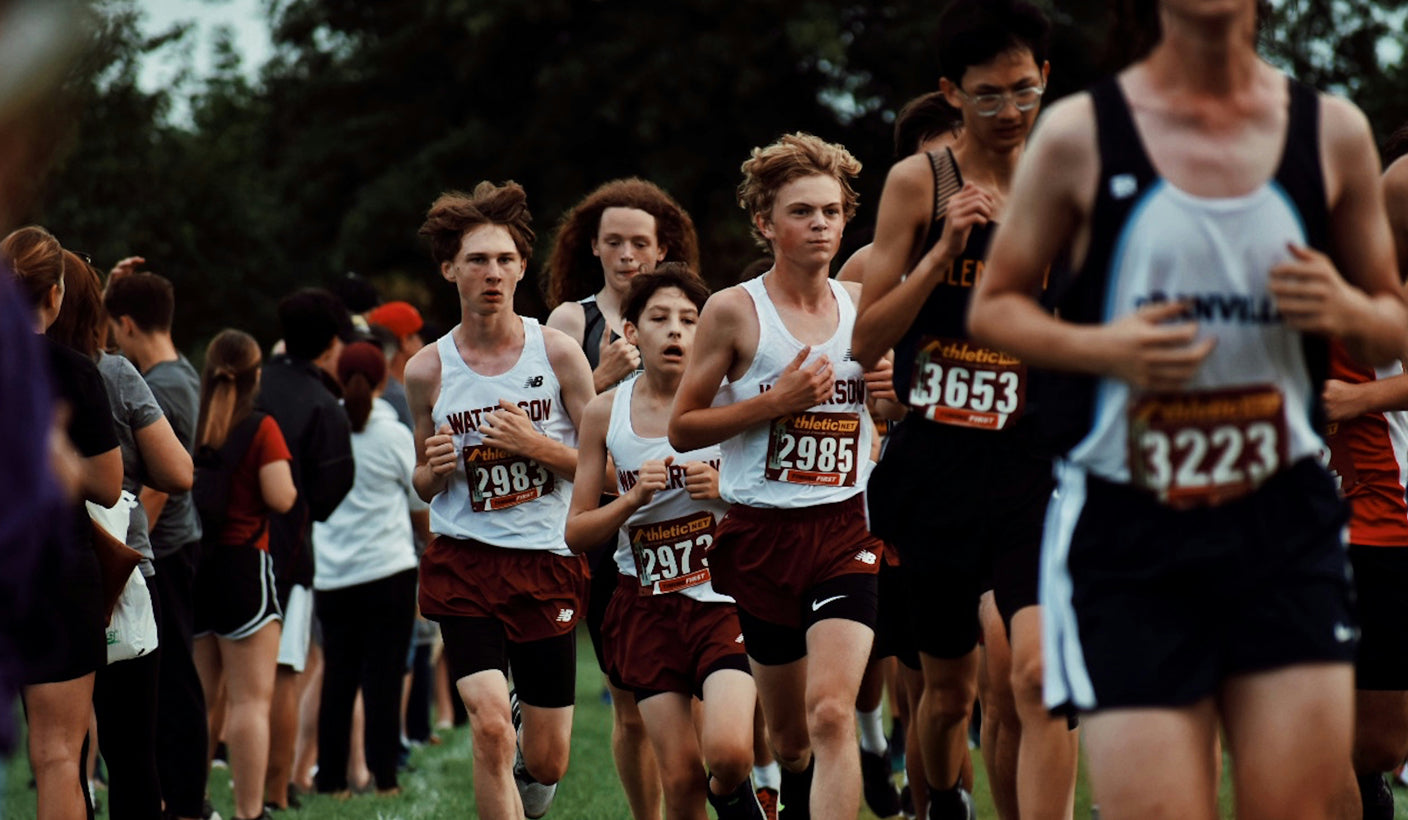
Teen Sports Nutrition: Safe Support For Young Athletes
If your teenager trains hard, you’ve probably wondered whether sports drinks, protein powders or energy bars are safe, helpful, or not recommended. From a dietitian’s perspective, this guide explains which sports nutrition products parents can safely choose, when whole foods are enough and how to support young athletes without compromising growth, health or long-term performance.
Table Of Contents
-
Do Teen Athletes Really Need Sports Supplements?
-
What Makes a Sports Nutrition Product “Safe” For Teenagers?
-
Food-First Ways to Support Energy, Hydration & Recovery
-
Sports Nutrition Products That May Be Appropriate For Teen Athletes
-
Teen-Appropriate Sports Nutrition Products Available from Aid Station
Do Teen Athletes Really Need Sports Supplements?
-
Most teens can meet their energy and nutrient needs with whole foods, even with regular training ¹,².
-
Nutrition for adolescence should be focused on growth, bone development and hormones, not just sports performance ¹⁻³.
-
Prioritise meals, sleep and hydration first, supplements come later¹⁻³.
-
Whole foods provide balanced nutrition that supports health, immunity and recovery¹⁻³.
-
Supplements may be useful only when food isn’t practical and should be guided by a qualified dietitian ¹⁻³.
Most teen athletes can meet their energy and nutrient needs through whole foods, even with regular training ¹,². During adolescence, nutrition should prioritize growth, bone development and hormonal health, not just sports performance ¹⁻³. Focusing on balanced meals, adequate sleep and proper hydration should come first, with supplements considered only when food isn’t practical and under the guidance of a qualified dietitian¹⁻³. Whole foods provide the balanced nutrition necessary to support overall health, immunity, and recovery¹⁻³.
What Makes A Sports Nutrition Product “Safe” For Teenagers?
A sports nutrition product is considered safe for teenagers when it contains simple, appropriate ingredients and avoids stimulants, hormones, or herbal extracts that lack evidence in young athletes ¹,². Products should be low or caffeine-free to prevent impacts on sleep, heart rate and anxiety, and have reasonable sugar and sodium levels suited to the training session ¹,²,⁴,⁵. Serving sizes should be scaled to a teen's body weight rather than adult dosing ³. Preferably, products are batch-tested to reduce the risk of contamination, and they should be used to complement, not replace, meals, fluids, or sleep - both in how they're formulated and how they're marketed on-page ¹,⁶,⁷,⁸.
Food-First Ways To Support Energy, Hydration & Recovery
-
Regular meals and snacks spaced across the day provide sufficient energy, carbohydrate and protein to fuel training and support growth and recovery in adolescents ¹,².
-
Carbohydrate-rich whole foods (e.g. fruit, grains, dairy, starchy vegetables) meet most energy needs for training and reduce reliance on sports products ².
-
Protein from everyday foods (meat, dairy, eggs, legumes) supports muscle repair, immune health and overall development without the need for supplements ¹,⁷.
-
Fluids from water and milk, alongside meals and snacks, adequately support hydration and recovery for most training sessions in young athletes ²,⁵.
Sports Nutrition Products That May Be Appropriate For Teen Athletes
Sports nutrition products can be appropriate for teen athletes when food isn’t practical, such as during long training sessions, tournaments, or travel days ¹,²,⁷. They should be matched to the training load and not used routinely for short or low-intensity sessions ¹,⁶. Products should be chosen carefully, with low caffeine, appropriate sugar, and simple ingredients and always used alongside meals rather than replacing regular food, fluids, or sleep ¹,³,⁵⁻⁷. Products were selected based on our Youth Nutrition Products Classification Criteria which you can read more about HERE.
Teen-Appropriate Sports Nutrition Products Available From Aid Station
ENERGY BARS
-
Hammer Nutrition Energy Bars → Gentle on the stomach and perfect for in-between meals or a pre-training energy boost. Made mostly from whole food ingredients.
-
Skratch Labs Energy Bars [ Cinnamon Oatmeal, Cherries & Pistachios, Raspberry & Lemon]→ Mostly whole-food ingredients, perfect for in-between meals or a pre-training energy boost.
-
Koda Nutrition Energy Bar → Whole food ingredients, high in energy, natural flavours and seriously tasty.
-
Blue Dinosaur Energy Bars and Energy Bites→ Made with only five real-food ingredients. No refined sugar, preservatives, or fillers. No Added Sugar. Great for lunch boxes or before training sessions.
-
Blue Dinosaur Protein Bar → Made with premium ingredients like peanut butter, egg whites, and dates. No refined sugar, preservatives, or fillers. Supports muscle recovery and sustained energy. Great as a post training snack.
MEALS AND PROTEIN POWDERS
-
Radix Nutrition Original Breakfast + Original and Meals → Low FODMAP formulas that are gentle on sensitive stomachs, nutrient-dense, and made from whole food ingredients.
-
Switch Nutrition Egg White Protein→ Made with 100% egg white protein powder. No added sugar. Egg white has a BV (Biological Value) of around 100, making it one of the highest-rated proteins available.
COMPLEMENTARY RECOVERY PRODUCTS
-
CurraNZ Blackcurrant Supplement → Some early research suggests small performance benefits (though studies are on adults).
-
Pure Sports Blackcurrant Recovery Powder → Made from a single whole-food ingredient (100% freeze-dried blackcurrants) for a natural antioxidant boost.
-
Amazing Oils Magnesium Bath Flakes → A relaxing way to soothe sore muscles.
-
Premax Recovery Bath Salts for Muscles → Magnesium-rich epsom and mineral sea salts to soothe sore muscles.
ENERGY GELS
-
UnTapped - Energy Gel [All flavours except coffee] → Made on 100% maple syrup with lemon and lime juice.
-
Maple Movement Sap Fuel Energy Gel [All flavours except coffee] → Made on 100% maple syrup.
-
Nectar Sport Energy Gel- Raw Honey→ Made on 100% raw honey, naturally low GI to help minimise digestive upset during longer sessions.
-
SAP Good Energy Gel 25g → Made from just two whole-food ingredients (maple syrup and pink Himalayan salt) with no caffeine, stimulants, or herbal extracts, and is Informed Sport certified with a carbohydrate dose suited to longer training sessions.
-
Lecka Energy Gel - [Kumquat Honey, Lime Ginger] → Lecka Kumquat Honey and Lime Ginger gels are made from honey, tapioca syrup, kumquat and natural mineral salts (26-27g carbs and ~100mg sodium per 40g serve), with no artificial flavours, sweeteners, preservatives, gluten, nuts, dairy or caffeine.
-
Honey Stinger Energy Gels → Honey Stinger gels are made from organic honey and tapioca syrup with natural flavouring (24g carbs, 100 Cal, 50mg sodium per gel), gluten-free and non-GMO, making them a widely available, natural-ingredient option for teen athletes.
-
Näak Ultra Energy Puree → Whole-food ingredients (apples, maple syrup, oat flour, pea protein) with no caffeine or stimulants, is batch-tested, and provides a moderate 26g carbohydrate dose that's gentler on digestion than a standard gel for longer training sessions.
HYDRATION
-
PURE Sports Nutrition - Electrolyte Hydration→ A low-sodium, low-carb electrolyte mix that's preservative-free and gluten-free.
-
Hammer Nutrition Endurolytes Fizz→ Low on electrolytes [200mg sodium, 100mg potassium, 100mg calcium, 50mg magnesium]. No added sugar.
-
High5 Hydration Tablets ZERO→ Low on electrolytes [250mg sodium]. No added sugar.
-
PURE Sports Nutrition Electrolyte Hydration Low Carb → 1 scoop contains 192mg sodium and 60mg of potassium with no added sugar. Made on dried coconut water powder, fruit juice powder, electrolytes and natural stevia sweetener.
-
Revvies Hydration Hypotonic Electrolyte Drink→ Low sugar content (5g per serving). Made with freeze Dried Lemon & Lime Juice Powder. Informed Sport Batch Tested. Mix with 600ml of water.
-
PeakFuel Isotonic Sports Drink → 5% carbohydrate formula - 12.8g carbs and 150mg sodium (per single scoop) = 250ml prepared.
-
Truefuels Electrolyte Powder → Made with coconut water powder and pink himalayan salt with no added sugar. Mix with 600ml of water.
-
Untapped Mapleaid Hydration→ Made from just three organic whole-food ingredients (maple syrup, grape juice, sea salt) with no stimulants or caffeine, best suited to longer or hot-condition sessions with older teens rather than routine use.
-
Science In Sport Go Hydro Tablets (non-caffeine flavours: Berry, Strawberry & Lime, Lemon, Grapefruit, Pineapple & Mango) → Batch tested hydration tablet best positioned for prolonged or hot-condition sessions with older teens (15-17) rather than everyday use.
-
GU Energy Hydration Drink Tabs (Excluding Strawberry Hibiscus) →Electrolyte tablet best positioned for prolonged or hot-condition sessions with older teens (15-17) rather than everyday use
-
Precision Fuel & Hydration's PH 500 Electrolyte Tablets→ 250mg sodium per tablet positioned for longer or hot-condition sessions rather than everyday use.
OTHER
Trail Butter - Maple Syrup & Sea Salt → Whole-food ingredients (almonds, cashews, maple syrup, sea salt) offering steady, real-food energy and electrolytes for a portable spread to have by itself or with a banana or bread before training/games.
Ash Miller
Dietitian and Nutritionist (Masters)
Bachelor of Physical and Health Education
Instagram: @ashthomo_nutrition
References
1. Desbrow B, McCormack J, Burke LM, et al. Sports Dietitians Australia Position Statement: Sports Nutrition for the Adolescent Athlete. Int J Sport Nutr Exerc Metab. 2014;24(5):570–84.
2. Sports Dietitians Australia. SDA position statement: sports nutrition for the adolescent athlete [Internet]. Melbourne (AU): Sports Dietitians Australia; c2014 [cited 2026 Jan 23]. Available from:https://www.sportsdietitians.com.au/nutrition-kitchen/sda-position-statement-sports-nutrition-for-the-adolescent-athlete/?utm
3. Sports Dietitians Australia. Adolescent Athlete Fact Sheet. Canberra: SDA; [cited 2026 Jan 21]. Available from: https://www.sportsdietitians.com.au/nutrition-kitchen/adolescent-athlete-factsheet
4. Australian Sports Commission. Caffeine: Are there any concerns or considerations? Australian Institute of Sport; [date unknown] [cited year month day]. Available from: https://www.ausport.gov.au/ais/nutrition/supplements/group_a/performance-supplements2/caffeine/are-there-any-concerns-or-considerations
5. Food Standards Australia New Zealand. Formulated Supplementary Sports Foods Standard 2.9.4. Canberra: FSANZ; 2015 [cited 2026 Jan 21]. Available from: https://www.foodstandards.gov.au/consumer/nutrition/sportfood
6. Maughan RJ, Burke LM, et al. IOC consensus statement: dietary supplements and the high-performance athlete. Br J Sports Med. 2018;52(7):439–55.
https://www.ausport.gov.au/ais/nutrition/supplements/group_a/performance-supplements2/caffeine/are-there-any-concerns-or-considerations
7. Children’s Health. Sports supplements for teen athletes [Internet]. 2024 [cited 2026 Jan 27]. Available from: https://www.childrens.com/health-wellness/sports-supplements-for-teen-athletes
Disclaimer:
The content in this blog is for general information only and is not a substitute for professional medical advice, diagnosis, or treatment. Always speak with your doctor or allied health team before changing your diet, exercise, or taking supplements, especially if you have a health condition or take medication. Please use this information as a guide only. Aid Station doesn't take responsibility for individual outcomes.
Electrolyte recommendations for adolescents and teens → For active adolescents under 15 years, sports dietitians recommend no-added-sugar electrolyte drinks only when training or competing for prolonged periods or in hot conditions, with water as the first choice for most activity. FSANZ does not set a numeric serving-size cut-off for electrolytes, so there is no standard age-based limit for “not suitable for under 15,” and discretion must be used.
Caffeine Intake for adolescents and teens → 'The Australian Sports Commission recommends limiting caffeine intake to <2.5 mg per kilogram of body weight per day for individuals under 18. Exceeding recommended caffeine limits in adolescents can increase the risk of sleep disruption, anxiety, heart palpitations, headaches, gastrointestinal upset and impaired growth and recovery due to poor sleep


