Caffeine Gel Timing On Race Day
- Take your first caffeine gel 30-60 minutes before the race start
- Caffeine peaks 30-90 minutes after ingestion, so time it ahead of key race phases
- Aim for around 3-6mg/kg total caffeine, adjusted to tolerance
- Front-load caffeine early, then top up later if needed to maintain effects
-
Practise your caffeine strategy in training, including timing, dose, and product
Caffeine is a well-established ergogenic aid that can improve endurance performance, reduce perceived effort, and enhance focus. On race day, caffeine gels are best timed strategically, typically 30-60 minutes before the start, with smaller doses later to maintain effects. Aim for around 3-6mg/kg body weight, adjusting for individual tolerance and gut comfort¹⁻³.
Quick Answer: When to Take Caffeine Gels During a Marathon
Most runners benefit from taking caffeine before the start or within the first 30-60 minutes, allowing time to take effect and remain active for much of the race. With a 3-5 hour half-life, early intake helps sustain focus and reduce perceived effort without needing excessive total doses¹⁻³.
Understanding Caffeine Gel Timing
How Long Does a Caffeine Gel Take to Work?
Caffeine from gels is absorbed relatively quickly, with effects typically starting within around 15-30 minutes and peak levels occurring around 30-90 minutes after ingestion¹,². This timing can vary based on factors like gut absorption, whether the gel is taken with fluids, exercise intensity and individual sensitivity. While some athletes may feel effects sooner, others may experience a more gradual rise, reinforcing the importance of trialling timing in training to align intake with key race demands.
What Happens in Your Body After Taking a Caffeine Gel
When you take a caffeine gel, the caffeine enters your bloodstream and begins affecting your central nervous system. This reduces your perception of effort, meaning you feel like the exercise is easier even as intensity rises. It also enhances endurance performance by improving alertness, focus and the body’s ability to sustain effort over time. Individual responses vary, but overall, caffeine helps athletes maintain pace, delay fatigue and stay mentally sharp during long events¹⁻³
Should You Take Caffeine Before the Race?
Yes. Pre-race caffeine can be a useful tool for boosting alertness, focus and early-race performance. Taking caffeine about 30-60 minutes before the start allows it to reach effective levels in the bloodstream, so you benefit from its effects as the race begins¹,². Many athletes combine a pre-race dose with in-race caffeine gels to sustain performance, but timing and total intake are critical, too much caffeine can cause jitters, stomach upset, or sleep disruption. Aim for ≤400mg of caffeine per day. Because individual tolerance and gut comfort vary, it’s essential to trial both pre-race and in-race strategies during training.
How Many Caffeine Gels Should You Take in a Marathon?
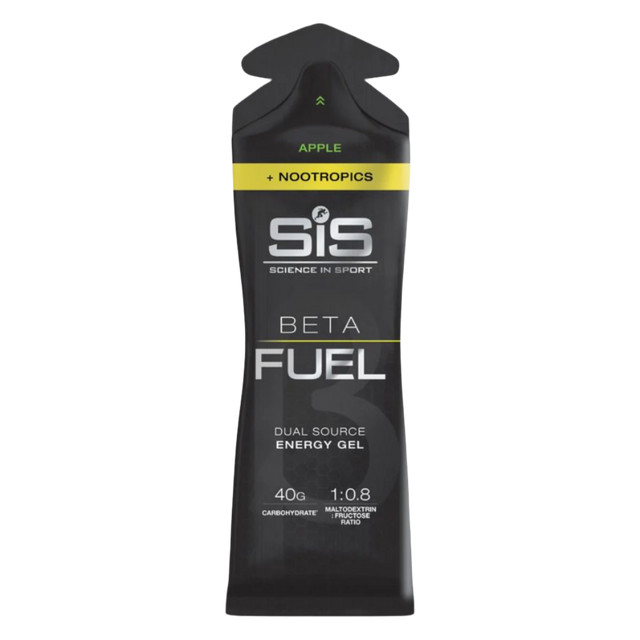
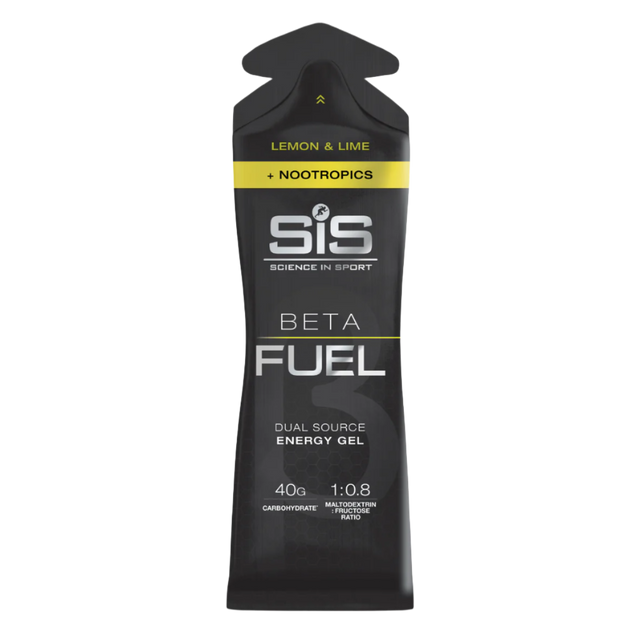
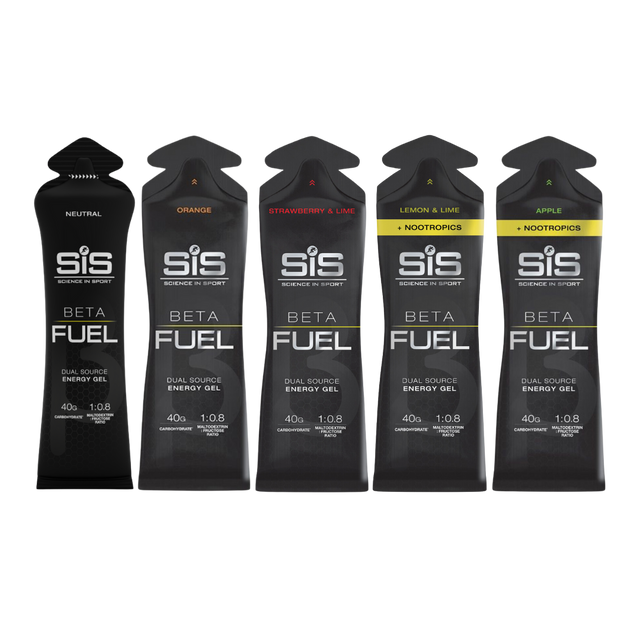
Caffeine gels range from about 25-200mg per serving, so the number you need depends on the dose per gel and your target intake. Using higher-dose gels (e.g., 200mg, such as Science In Sport (SIS) Beta Fuel Energy Gel + Nootropics) may only require 1-2 gels, whereas lower-dose gels might mean taking multiple servings, up to 8xEnervit Liquid Gel, spread throughout the marathon.
Your Caffeine Gel Strategy for Race Day
Timing
Caffeine works best when strategically timed to match the demands of the race. A common approach is:
-
Pre-race (30-60 minutes before start): Take 1x caffeine gel to boost alertness, reduce perceived effort and set a strong early pace.
-
Early-to-mid race (30-60 minutes into the race): A second dose 30-60 mins into the race can help sustain focus, maintain performance and delay fatigue towards the end of the marathon.
Dosage
-
3-6mg per kg of body weight
-
For a 70kg athlete, this equates to roughly 210-420mg of caffeine in a single dose e.g. 1x Science In Sport (SIS) Beta Fuel Energy Gel + Nootropics
Spacing
Caffeine has a half-life of around 3-5 hours, so early intake will remain active for much of the race. Rather than strict timing, use strategic top-ups (e.g. 1-2 hours after the first dose) to maintain effects without exceeding your target intake¹⁻³.
Example Caffeine Gel Strategy for a Marathon
Strategies vary based on finish time, caffeine tolerance and gel strength. Below are some caffeine strategies based on various finish times, using 100-200mg caffeine gels.
Sub 3 Hours→ 1x caffeine gel 20-30mins before race start + Optional additional caffeine gel at the 1 hour mark.
3-4 Hours→ 1x caffeine gel 20-30mins before race start + 1 caffeine gel at the 1-2 hour mark.
4-5 Hours→ 1x caffeine gel 20-30mins before race start + 1 caffeine gel at the 1.5-2 hour mark. Optional 3rd caffeine gel at the 3 hour mark if using <150mg caffeine gels.
5-6 Hours→ 1x caffeine gel 20-30mins before race start + 1 caffeine gel at the 2-3 hour mark + Optional 3rd caffeine gel at the 4 hour mark.
Combining Caffeine Gels with Regular Energy Gels
When using caffeine gels during a marathon, alternate them with regular energy gels to maintain a steady carbohydrate supply while keeping caffeine intake within safe limits.For example, take 1 caffeine gel 20-30 minutes before the race, then a regular gel at 30 minutes, another caffeine gel at 1 hour, and continue alternating like this. You can explore a range of options through Aid Station energy gel collection to build a strategy that suits your race.
Hydration, Electrolytes, and Caffeine
Caffeine works alongside fluids and electrolytes, but it does not replace proper hydration, make sure to use an electrolyte/carb drink mix to maintain sodium balance during your race.
Who Should Be Careful with Caffeine Intake?
Athletes who are sensitive to caffeine, prone to gastrointestinal issues, or with specific medical considerations may need to moderate caffeine intake and trial doses carefully in training.
Common Mistakes with Caffeine Gel Timing
Common mistakes include taking too much caffeine at once or overall, taking caffeine too early or too late in a race, or using caffeine for the first time on race day, each of which can impair performance rather than enhance it.
How to Train Your Caffeine Strategy Before Race Day
A well-practised strategy is key. Trial your caffeine approach in race-specific sessions, for example, 1 caffeinated gel 30 minutes before training, then another 1-2 hours into the run to assess tolerance and timing.
What to Look for in a Caffeine Gel for Your Race
When choosing a caffeine gel, look for a clearly labelled caffeine dose (typically around 100-200mg) so you can accurately manage your total intake across the race.
Caffeine gels provide a more controlled and practical option than coffee or other sources, making race-day dosing more precise. To apply this in practice, explore Aid Station’s caffeine energy gels and test options in training to find what works best for you.
Ash Miller
Dietitian and Nutritionist (Masters)
Bachelor of Physical and Health Education
Instagram: @ashthomo_nutrition
References
-
Burke LM. (2008). Caffeine and sports performance. Appl Physiol Nutr Metab.
-
Guest NS, VanDusseldorp TA, Nelson MT, Grgic J, Schoenfeld BJ, Jenkins NDM, Arent SM, Antonio J, Stout JR, Trexler ET, Smith-Ryan AE, Goldstein ER, Kalman DS, Campbell BI. International society of sports nutrition position stand: caffeine and exercise performance. J Int Soc Sports Nutr. 2021 Jan 2;18(1):1. doi: 10.1186/s12970-020-00383-4. PMID: 33388079; PMCID: PMC7777221.
-
Ganio MS et al. (2009). Evidence-based approach to endurance performance. Sports Med.
Disclaimer:
The content in this blog is for general information only and is not a substitute for professional medical advice, diagnosis, or treatment. Always speak with your doctor or allied health team before changing your diet, exercise, or taking supplements, especially if you have a health condition or take medication. Please use this information as a guide only. Aid Station doesn't take responsibility for individual outcomes.